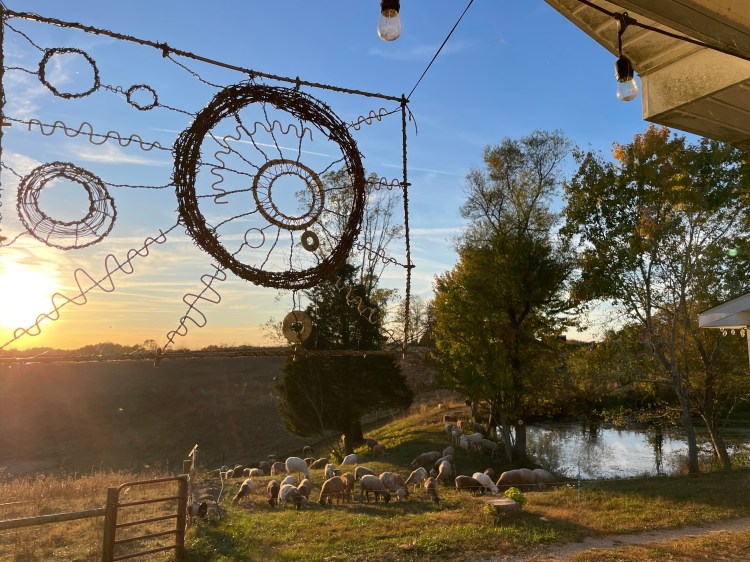
Ketelwood is headquartered on a family farm in Jabez Kentucky. We are situated at the confluence of the Cumberland and Pennyroyal Plateaus, in the karst western fringes of Appalachia. Our farm operations are designed and managed to create a vibrant and thriving ecosystem, nested within the gorge and cave filled landscapes of the Cumberland River Watershed where we reside. We utilize a mixed herd of livestock with hardy genetics as ecosystem regenerators, improving habitat for wild creatures instead of displacing them. We plant fruits, nuts and forages, and work intimately with wild plants to build dynamic communities that grow more complex and resilient with maturity. The surpluses that result return to further nourish the land, and some of that surplus nourishes us and our community.
Irish Dexter Cattle
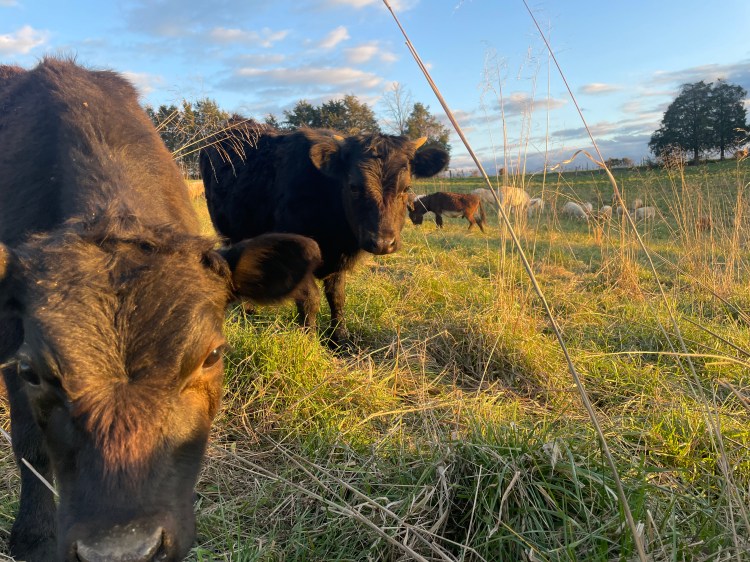
One of our driving principles is that diversity begets diversity, and as such we are committed to maintaining a multispecies flerd. We find Irish Dexter Cattle to be an excellent counterpart to hair sheep in our grazing system. A small breed of cattle, they are efficient grazers who share our sheeps’ tendency to eagerly browse trees and broad leaved plants. Irish Dexters are valued for their ability to produce quality beef and milk on a grass fed diet, and are adapted to humid temperate climates, like our own. Their differences in size and habit create a complimentary environmental impact to that of the sheep, and they get along well too.
Agroforestry
Silvopasture
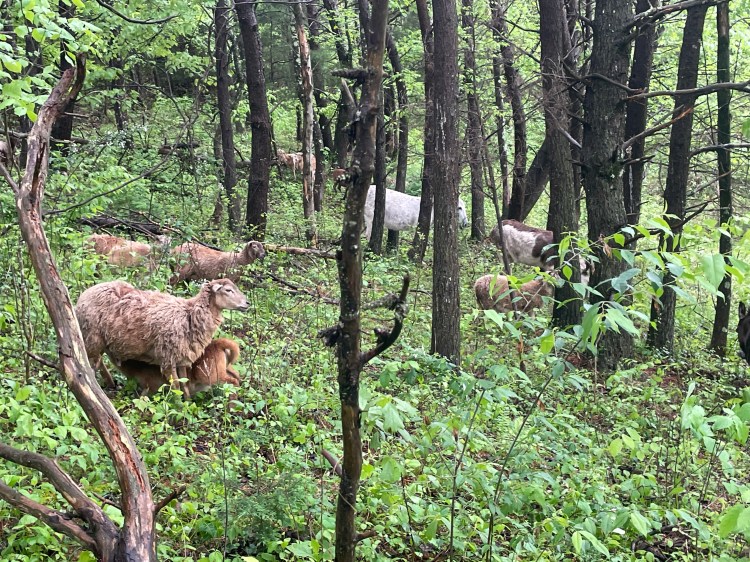
Silvopasture is simply the integration of trees into grazing lands. It was recognized as a top method for sequestering atmospheric carbon by Project Drawdown, and can look a lot of different ways. We see silvopasture as a radical return to normalcy, an embrace of our roots in the primeval savannas of our ancestors. Savannas (landscapes of mixed trees and grasslands) have been the prevailing biomes in our part of the world for millions of years. Historically, our persistent hardwood forests were kept in balance, first by long extinct megafauna and eventually by people. Co-creating savannas is perhaps the most ancient cultural practice common to humankind, and one we take great pride in continuing at Ketelwood.
Forest Garden

It’s not just about savannas around here, we love our forests too. All of the woodlands on our farm were logged roughly 12 years before we arrived, leaving them wanting for improvement. As part of our plans to improve forest health, we dedicated roughly two acres of young woodlands to the cultivation of threatened woodland herbs. Native plants such as ramps, ginseng, goldenseal and cohosh have long and storied histories of medicinal and culinary use. As traditional stewardship and harvesting practices fall by the wayside, these species have found themselves in sharp decline. The goals of our forest garden are to offer a sustainable source for these invaluable plants to our community, and return them to prominence under the canopy of the maturing hardwood forests across the farm.
Tree Crops
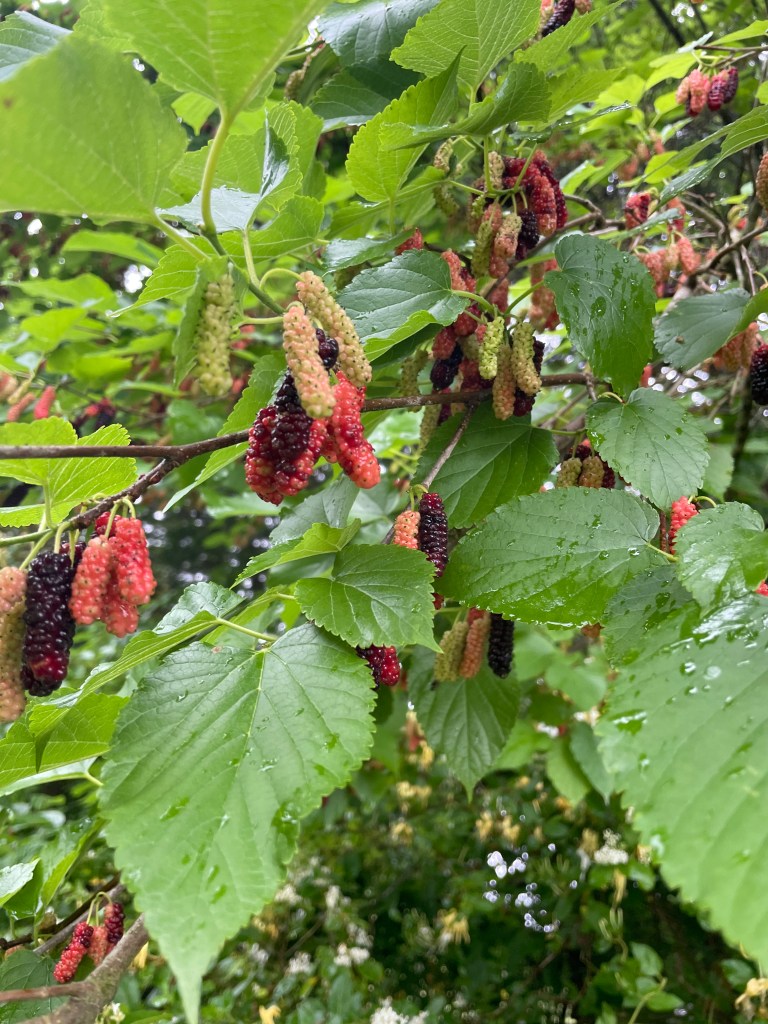

Resilient agriculture is agriculture built on perennial plant communities. The annual crops, mostly grains and legumes, that we’ve come to rely on require the removal of all other plants and animals in their space in order to attain a yield. Tree crops, on the other hand, are embedded within their ecosystems. With creative foresight they can be shaped into landscapes that artfully blur the line between conservation and agriculture. With conscientious management they produce considerable yields with minimal inputs. The steady integration of tree crops into farm operations is intended to allow easy access for harvest by either people or livestock, and slowly accelerates as our holistic land plan develops.
Wildlife
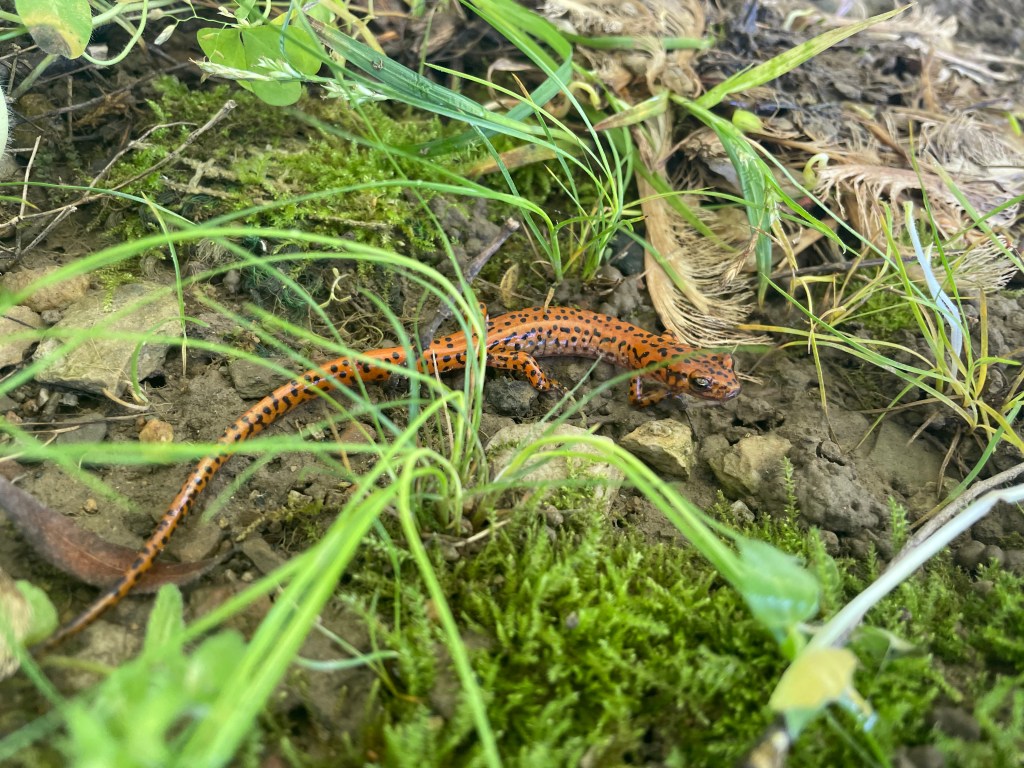
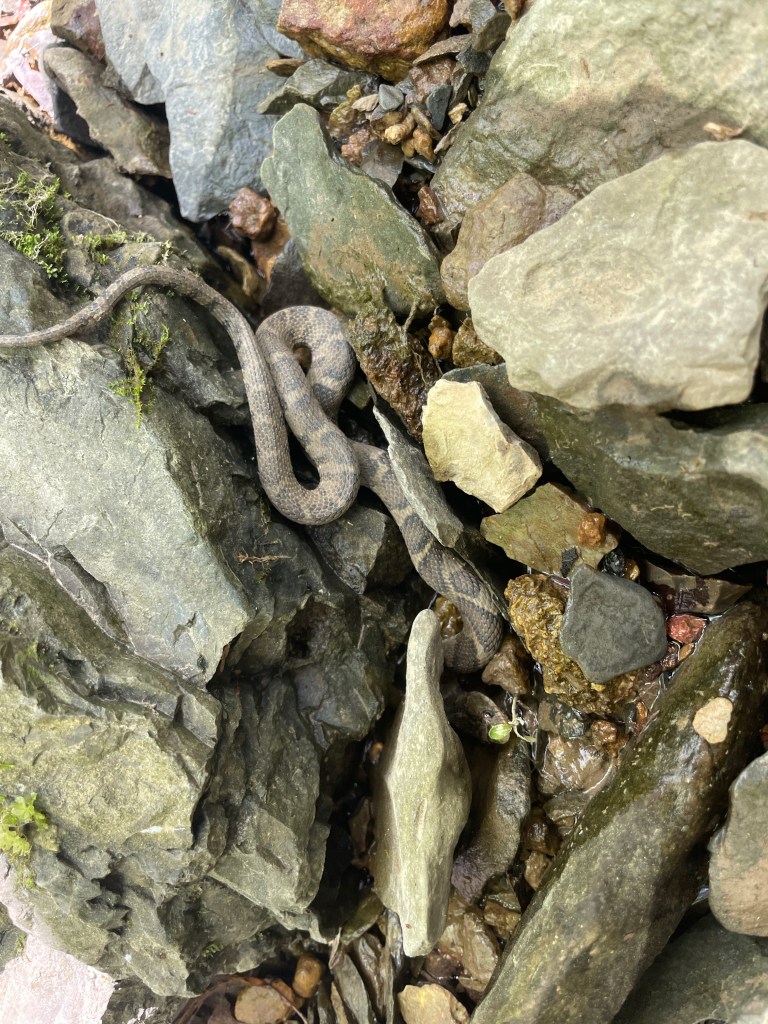

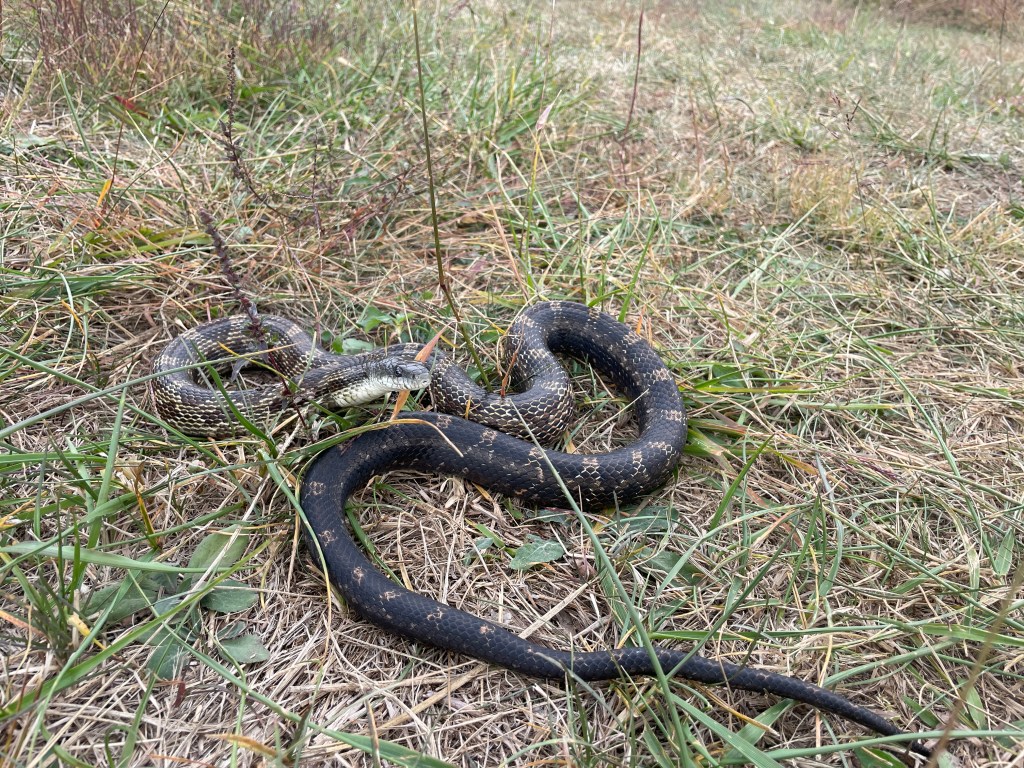
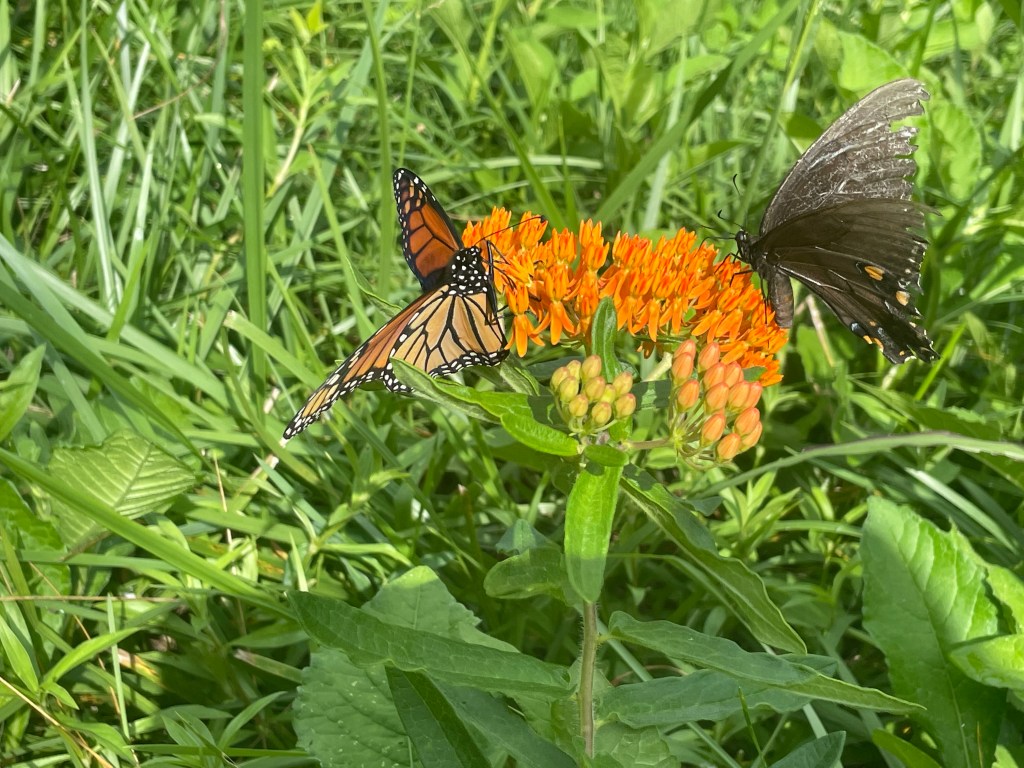

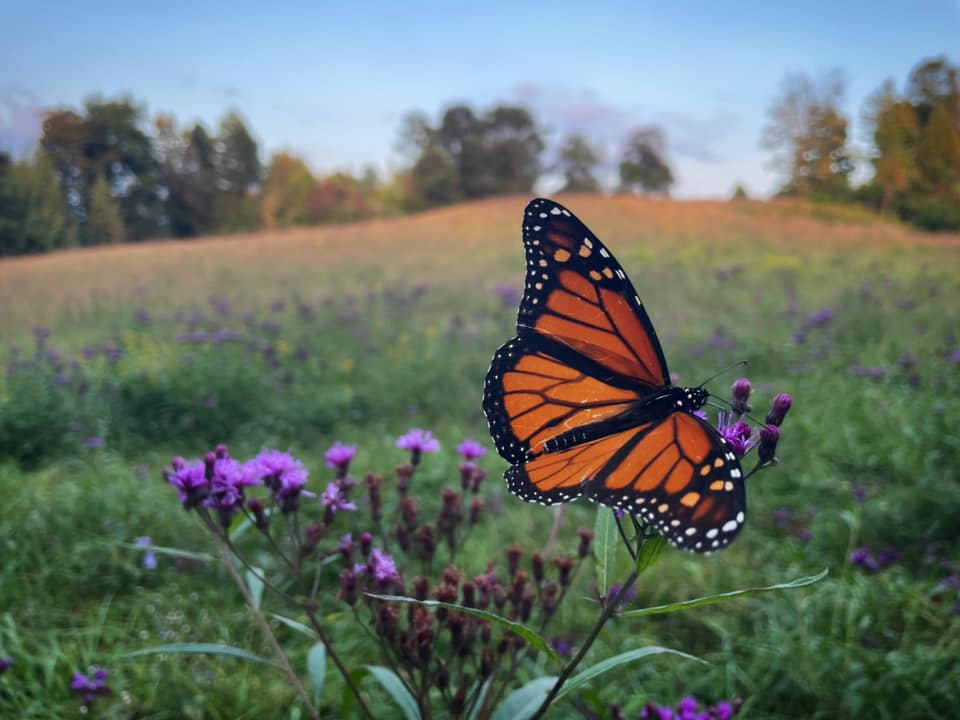
Regenerative Agriculture means nurturing our ecosystem, and creating better habitat for the creatures we share the land with. Enjoy our growing gallery of wildlife shots, all taken here at the farm at Ketelwood, and browse the pages of this site to learn about how we regenerate farmland ecosystems, and how we can help you do the same.
 Ketelwood